Jerash Mass Grave Confirms Plague of Justinian Deaths — SkimNews
Get the Health newsletter
Daily health & science — research, biotech, public health, the studies worth knowing. Free.
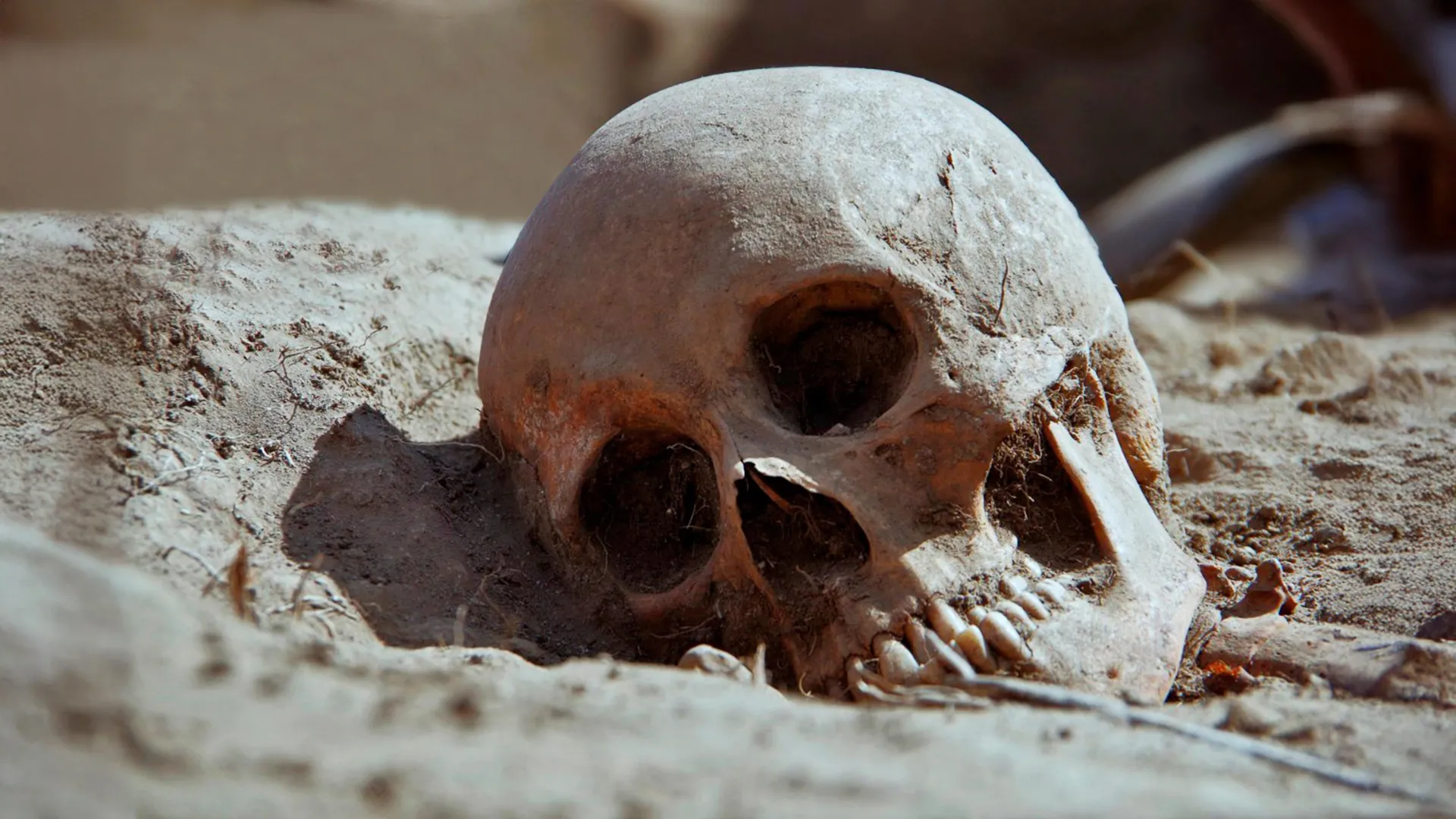
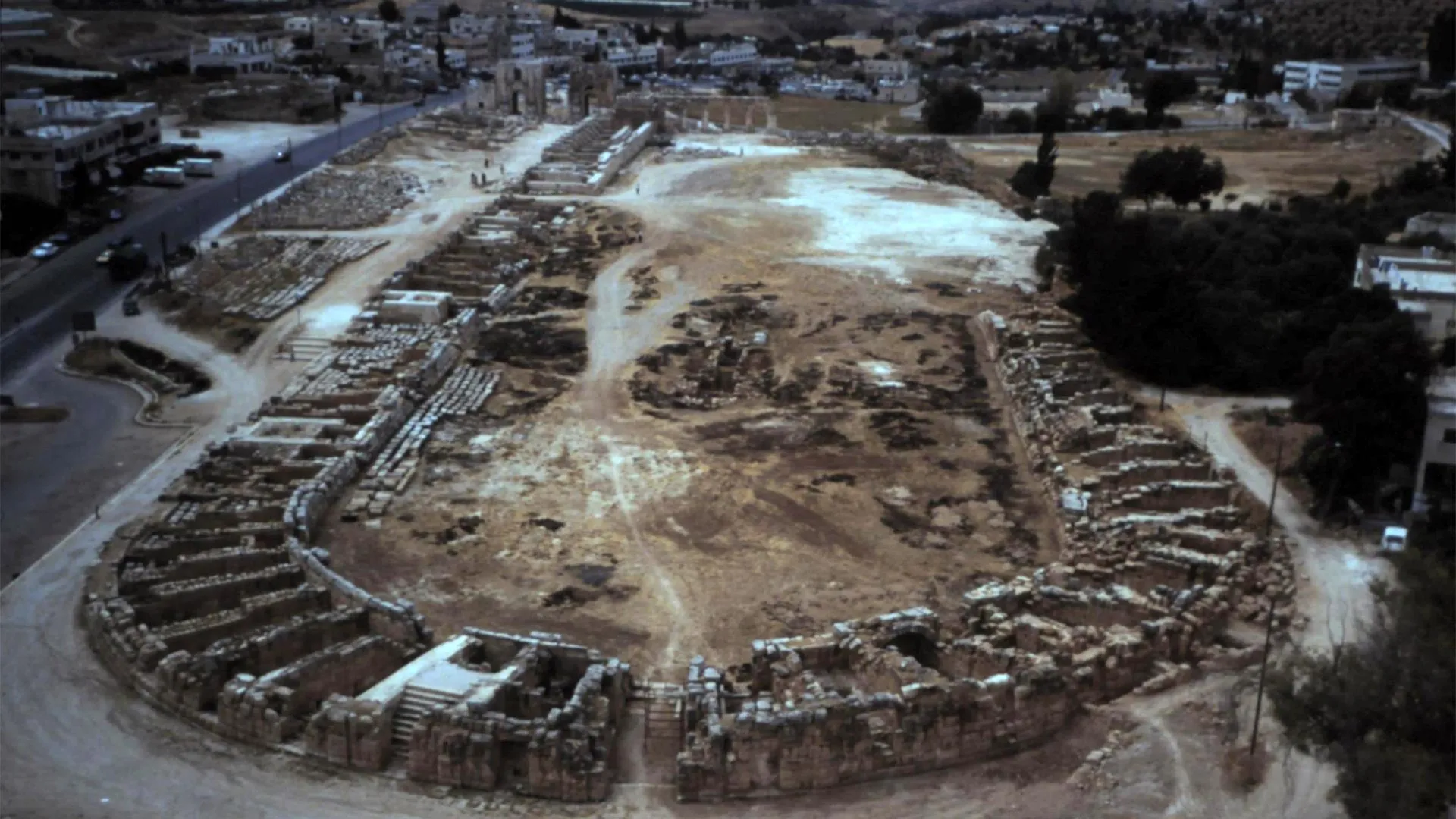
- Jerash – archaeologists uncovered a mass grave containing hundreds of individuals buried within a few days, providing the first archaeologically and genetically confirmed plague burial in the region.
- Rays H. Y. Jiang – the associate professor of public health at USF led the interdisciplinary team that linked the skeletal remains to the Plague of Justinian and examined the social context of the deaths.
- University of South Florida – the research consortium, including experts from genomics, anthropology, molecular medicine, and history, published the findings in the Journal of Archaeological Science.
- Journal of Archaeological Science – the study “Bioarchaeological signatures during the Plague of Justinian (541‑750 CE) in Jerash, Jordan” detailed how a single‑event burial revealed rapid mortality and urban vulnerability.
- Plague of Justinian – the 6th‑century pandemic, previously known from textual sources, is shown to have caused massive, rapid mortality in Jerash, illustrating how disease reshaped social structures and mobility patterns.
Why it matters: The discovery gives historians and epidemiologists concrete data on mortality scale and social disruption, while public‑health scholars gain a model for how pandemics can collapse urban networks, highlighting the vulnerability of densely populated societies and underscores the importance of integrating archaeological evidence into modern pandemic preparedness planning.
Ask SkimNews