Stanford human-cortex mouse; pediatric GLP-1s surge — SkimNews

Get the Health newsletter
Daily health & science — research, biotech, public health, the studies worth knowing. Free.
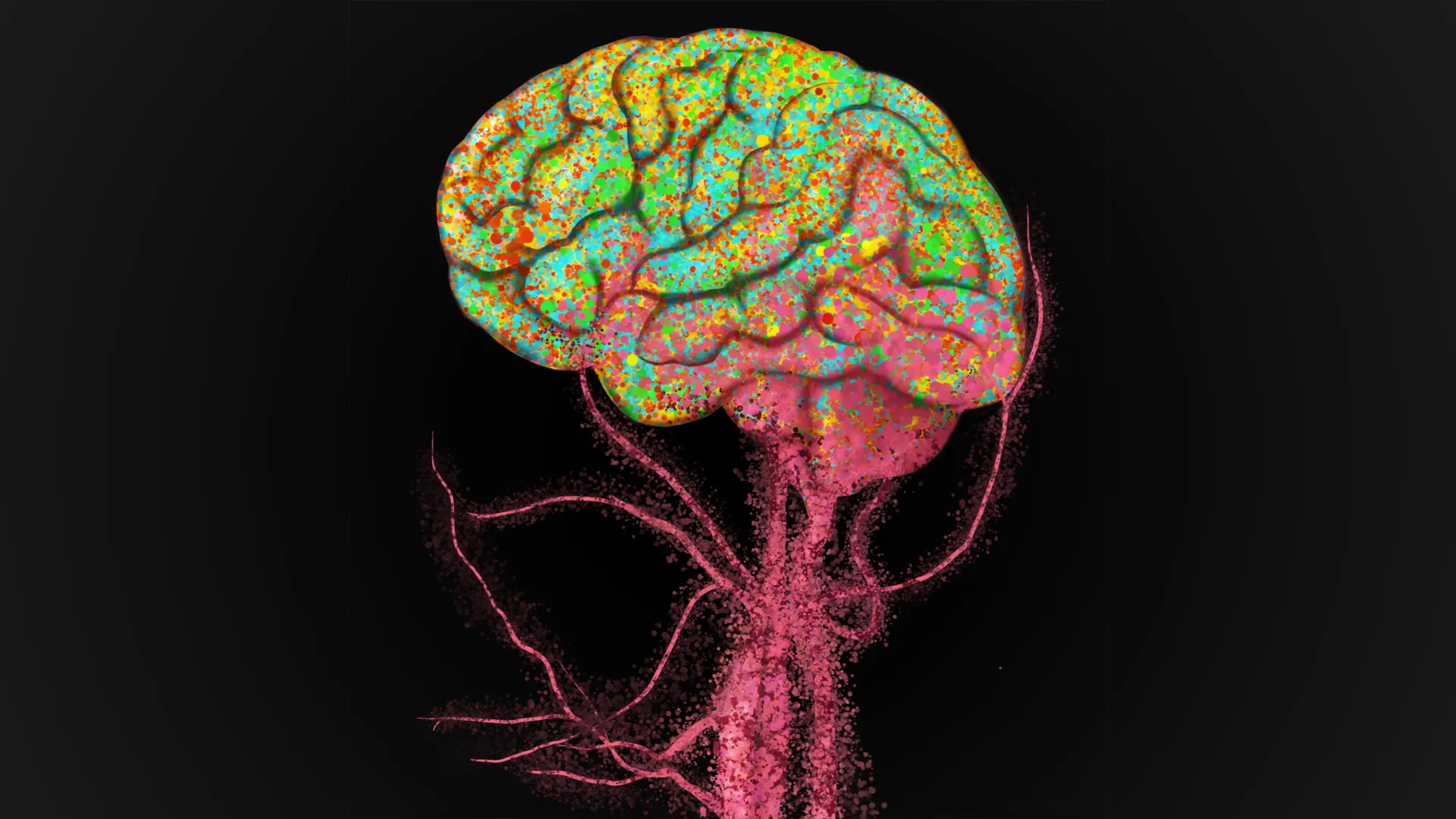
- Sergiu Pașca's Stanford team published a Nature paper describing a live mouse whose cortex was built from human brain cells, the first animal with a substantially human neocortex, raising questions about enhanced cognition or consciousness.link ›
- Babak J. Orandi found GLP-1 prescriptions for kids 8–11 jumped 310-fold since 2019, yet only 0.6% of obese children in that age band received one — 94% of those prescribed had severe obesity and related complications.link ›
- Anthropic blocked five accounts it said used its models to support biological-weapons work, including gain-of-function research on a mosquito-borne virus and experiments to enhance bird flu's ability to infect mammals.link ›
- A Nature Communications experiment found 36 of 38 DNA synthesis companies would ship fragments of the 1918 influenza virus, exposing how easily U.S. Select Agent Program rules get bypassed via shorter reassemblable sequences.link ›
- Jennifer Reich, a University of Colorado sociologist who spent two decades interviewing vaccine-hesitant parents, calls their reasoning 'sophisticated' and points to 11-to-16-minute pediatric visits as a structural driver of distrust.link ›
- A review of data from more than 265,000 people linked cannabis use to roughly double the risk of perpetrating violence and a higher risk of becoming a violence victim, though researchers stress the link is correlational.link ›
- Dongoconodon platycauda, a 120-million-year-old semi-aquatic mammal from Liaoning, China, is the only known mammal to regrow teeth across all four tooth classes — a reptile trait textbooks had called uniquely non-mammalian.link ›
Sergiu Pașca's Stanford team published in Nature a mouse with a cortex built from human brain cells — the first live animal with a substantially human neocortex, the region tied to complex thought. The ethical questions that used to live in 'Flowers for Algernon' are now the field's job, not fiction's. On a more urgent clinical front, GLP-1 prescriptions for kids 8–11 jumped 310-fold since 2019, but only 0.6% of obese children in that band got one, per Babak J. Orandi's review — leaving the rest to face kidney disease and fatty liver that won't reverse.
The stories behind this week
Cannabis Linked to Doubled Violence Risk in ReviewPublic health officials and policymakers may face pressure to reevaluate cannabis risk messaging, given that the data link use not only to perpetration but also victimization—impacting how harm reduction strategies are designed for a growing number of users.

AI Is Accelerating Bioweapons ThreatThe erosion of technical and expertise barriers means more actors can now attempt biological weapons development, increasing the likelihood of success through volume alone. Without coordinated global oversight of both AI tools and DNA synthesis, the risk of a pathogen release rises materially—even if individual attempts remain difficult to execute.

A lack of rockets is creating a crisis for space technology companiesWith Falcon 9 exiting and Starship’s availability uncertain, companies relying on timely, affordable access to space—especially startups—face existential delays. The lack of immediate competitors means launch prices could rise and innovation slow, reshaping who can participate in the orbital economy.

Opinion: I studied GLP-1 use in children. The results are reassuring20% of U.S. children have obesity, yet only a tiny fraction at highest risk receive potentially preventive GLP-1 treatment. Without intervention, many will progress to irreversible organ damage, increasing transplant demand. Systemic fixes and medical access must advance together to alter this trajectory.

Ancient mammal kept regrowing teeth like a reptileBiology textbooks have classified diphyodonty — replacing teeth only once — as a defining mammalian trait for over a century. For evolutionary biologists, this specimen reframes a key mammal-reptile transition as two independent experiments rather than a single linked event, expanding the recognized diversity of body plans that early mammals explored while dinosaurs dominated.

Stanford Team Creates Mouse With Human Brain CortexResearchers have now produced a live mouse with a substantially human cortex — the brain region tied to complex thought — forcing the field to confront ethical questions previously confined to fiction.

Sociologist: Vaccine Hesitancy Is Logical, Not IrrationalReich's reframing matters because it challenges the dominant public health approach of treating vaccine refusal as a misinformation problem to correct — she points to structural failures like 11-16 minute pediatric visits and cultural messaging about individual control as upstream drivers, suggesting engagement strategies must address alienation rather than just facts. With the ongoing Pennsylvania measles outbreak cited as context, dismissing parents' reasoning may deepen the very hesitancy communicators are trying to solve.

Wildlife Trusts Demand Urban Green Spaces Within Walking DistanceTwo major coalitions and grassroots groups are now formally demanding that nature access be treated as infrastructure, putting pressure on UK policymakers ahead of planning decisions that shape whether growing urban communities get green space within walking distance—or none at all.
Why it matters: If Pașca's human-cortex mouse holds up, the U.S. has no operational framework for what counts as acceptable cognitive humanization in a rodent — and regulators, IRBs, and funders are about to learn that lesson in real time.
Ask SkimNews