China Fires SLBM From Type-094 Sub Into Pacific — SkimNews

Get the Geopolitics newsletter
Daily geopolitics — wars, elections, sanctions, the diplomatic moves that move markets. Free.
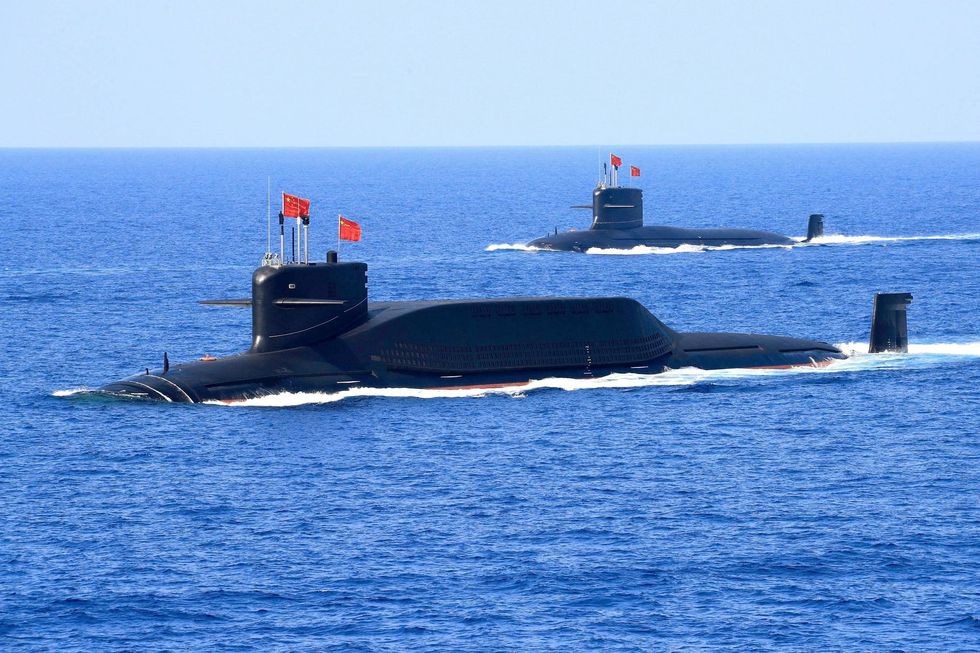
- China fired the missile from one of its six Type-094 nuclear-powered submarines (SSBNs) based on Hainan Island, according to analysts and academics; state media confirmed the launch came from a strategic missile submarine but did not name the class.
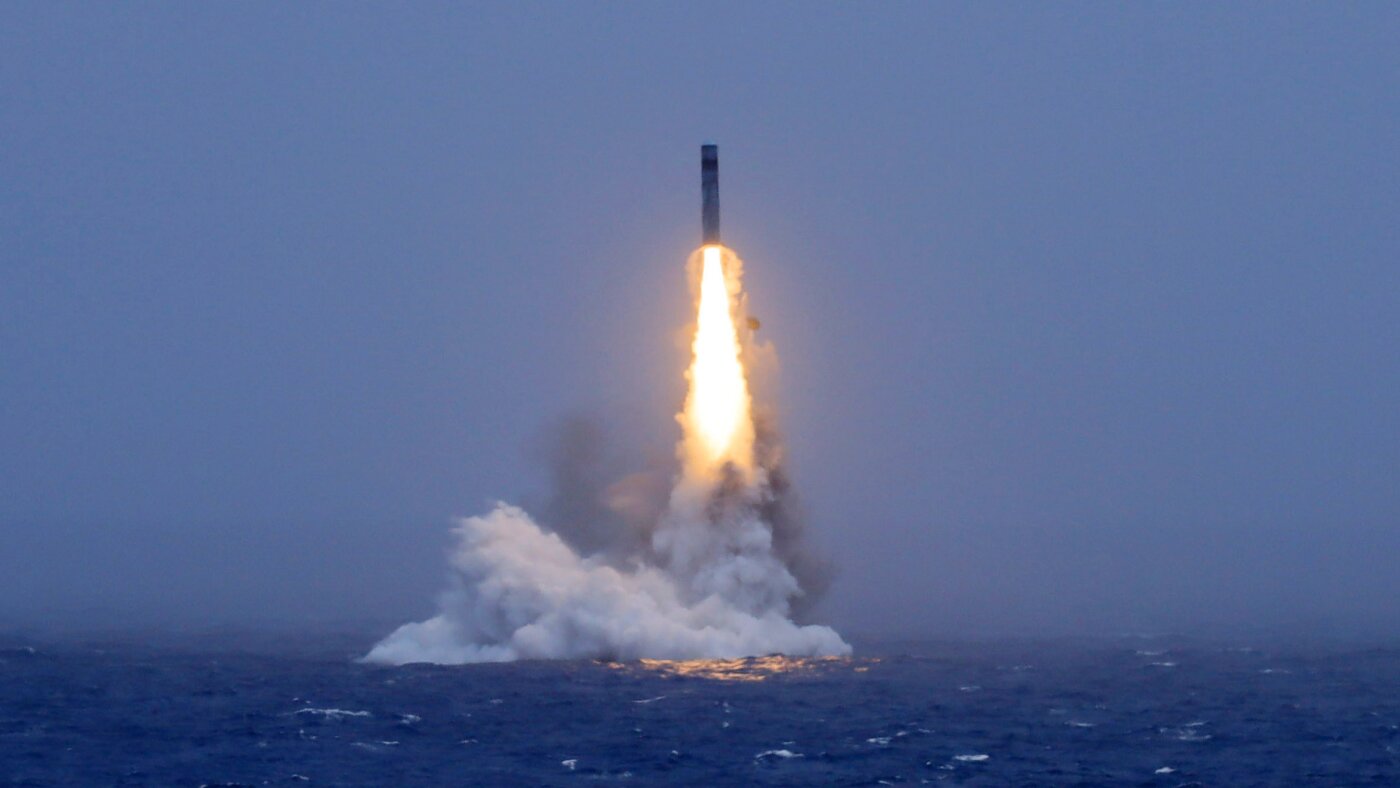
- The United States identified the missile as an intercontinental ballistic missile that landed in the southern Pacific Ocean, while Chinese state media and officials called the test a "routine" military drill not directed at any specific country.
- The launch let Beijing's military leadership evaluate command, control, and communication with nuclear-armed submarines attempting to operate undetected — a particularly sensitive challenge for a Chinese Communist Party that prizes military political loyalty, according to analysts.
- The submarine-launched JL-3 missile, showcased in a September 2025 Beijing military parade, has a range of 10,000 km (6,214 miles), meaning a submarine would have to move beyond the South China Sea into the western Pacific to reach the continental U.S.
- Singapore-based security scholar Collin Koh said the test suggests China is getting close to an operational strike capability, even if it cannot yet position itself to hit the continental U.S., Guam and Hawaii remain within reach.
- A 2022 Pentagon report stated China had begun operating near-continuous deterrence patrols with its SSBNs, and the U.S. and allies track Chinese submarines using naval vessels, underwater sensor networks, and P-8 Poseidon maritime surveillance aircraft.
- A Bulletin of the Atomic Scientists study released this week noted Xi Jinping's purge of PLA Rocket Force leaders makes it "unlikely" nuclear warheads would be handed over to the military under normal circumstances, though some U.S. officials have told the authors privately that SSBNs are armed on patrol.
- China's Global Times editorial said the launch demonstrated the strengthening of China's "nuclear triad" of land, sea, and air forces, and would "fundamentally reduce the risk of large-scale conflict" by deterring pre-emptive strikes.
Why it matters: The JL-3's 10,000 km range puts Guam and Hawaii squarely within reach of China's SSBN force, according to Singapore-based analyst Collin Koh — but hitting the continental U.S. still requires submarines to venture into the western Pacific, where the U.S. Navy, underwater sensor networks, and P-8 Poseidon patrols operate. The test gives Beijing hard data on the command-and-control challenges of running undetectable nuclear submarine patrols, a capability only the U.S., Russia, France, and Britain have routinely deployed.
Ask SkimNews