Indigenous Governance Proven in Climate Crises — SkimNews
Get the Energy newsletter
Daily energy & climate — solar, EVs, oil, the policy fights and tech bets shaping the transition. Free.
- Land Is Life released a report based on 200+ survey responses from 46 countries showing that over 80% of Indigenous communities face multiple overlapping climate disasters and over 90% report increasing frequency.
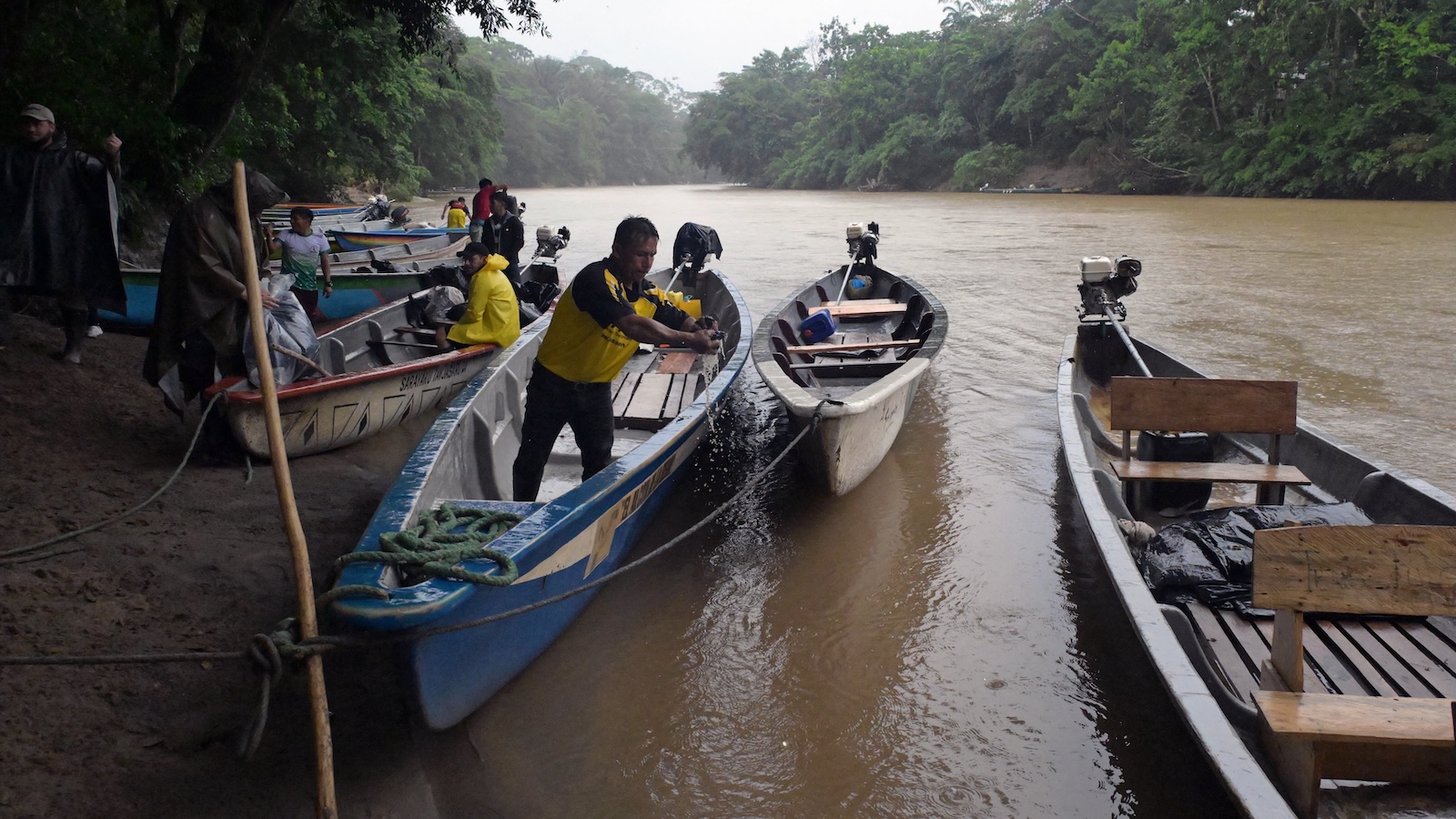
- Kichwa People of Sarayaku in Ecuador used existing governance structures and environmental observations to respond to 2019 floods, guided by the principle of minga, or collective responsibility, enabling rapid decision-making and recovery.
- Coordination of Indigenous Organizations of the Brazilian Amazon organizes fire management, trains response teams, and mobilizes community action, demonstrating how institutionalized Indigenous governance enables effective climate resilience.
- Indigenous Endorois and Tugen women in Kenya cultivated drought-resistant sorghum and millet varieties, securing harvests during severe droughts when other crops failed, showcasing localized, knowledge-driven food security solutions.
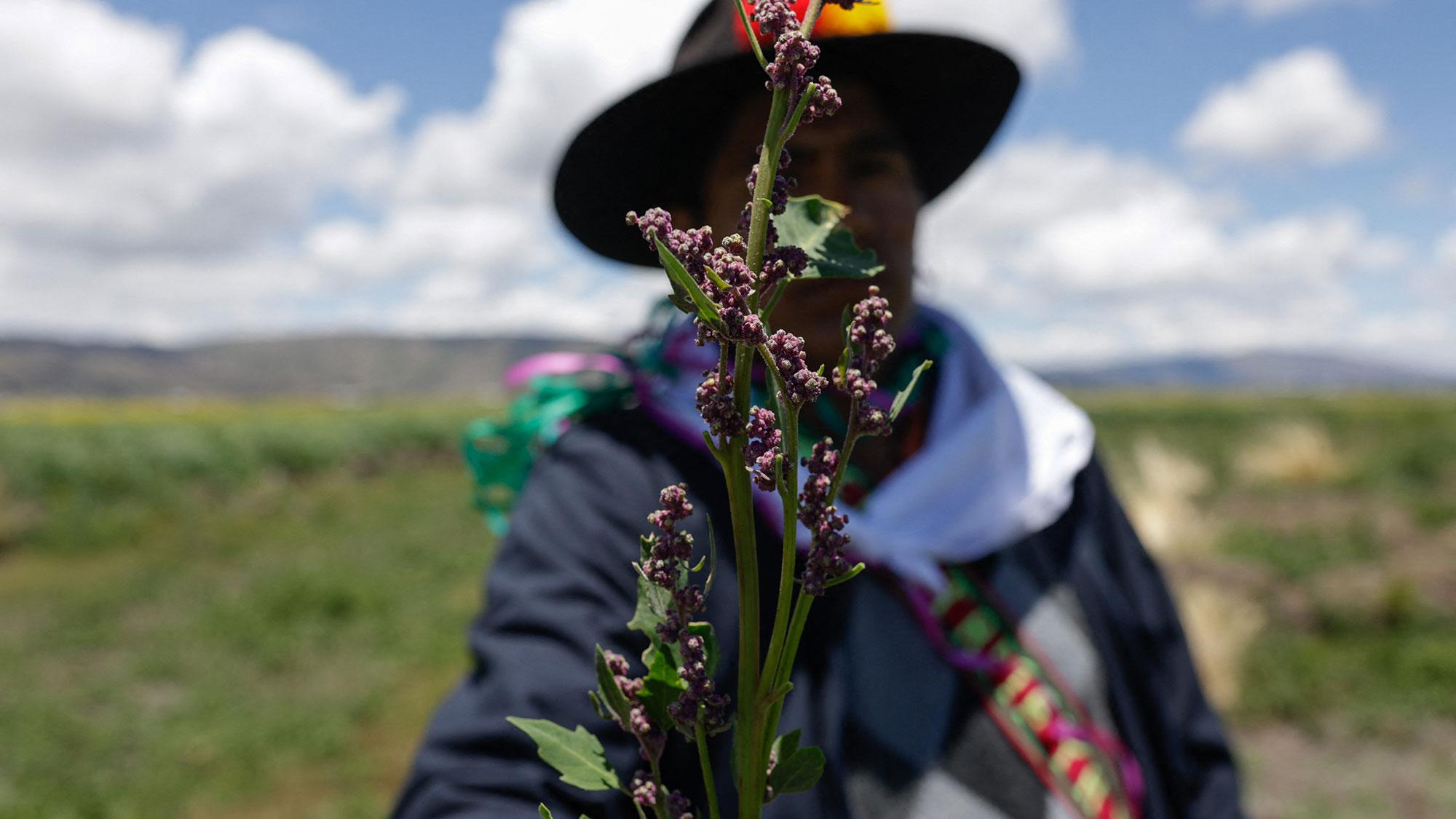
- Quechua communities in Peru’s Ausangate Regional Conservation Area partnered with a conservation organization to combine Indigenous monitoring with Western science, improving environmental tracking and adaptive capacity.
- Anisha Buda of Nepal’s Kaike Magar community emphasized that lack of direct funding and resource access severely limits Indigenous climate work, despite their heightened vulnerability and proven effectiveness.
Why it matters: Indigenous communities already implement high-impact climate adaptation at scale, but less than 1% of global climate finance reaches them directly. Without legal recognition and flexible funding, even the most effective grassroots systems remain under-resourced while disasters intensify globally.
Ask SkimNews