El Niño Returns, Strains US Grid and Forecasting — SkimNews
Get the Energy newsletter
Daily energy & climate — solar, EVs, oil, the policy fights and tech bets shaping the transition. Free.
- El Niño has developed in the Pacific Ocean, with NOAA confirming its return on June 11, prompting concerns over shifting U.S. weather patterns and grid reliability.
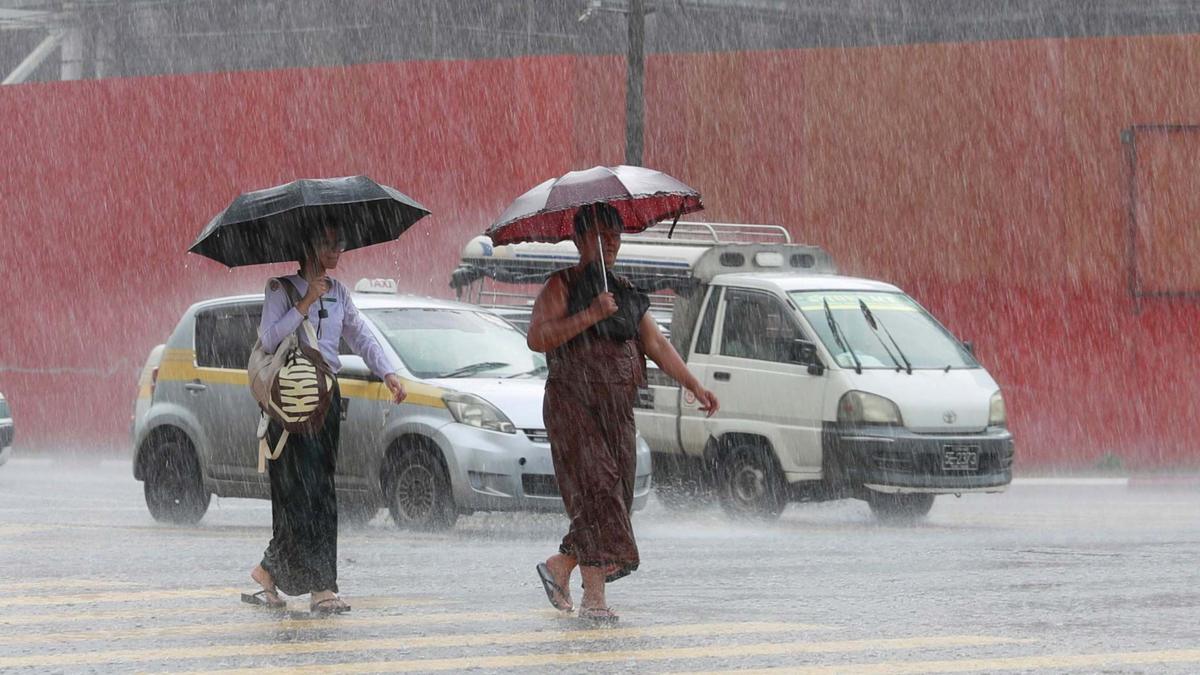
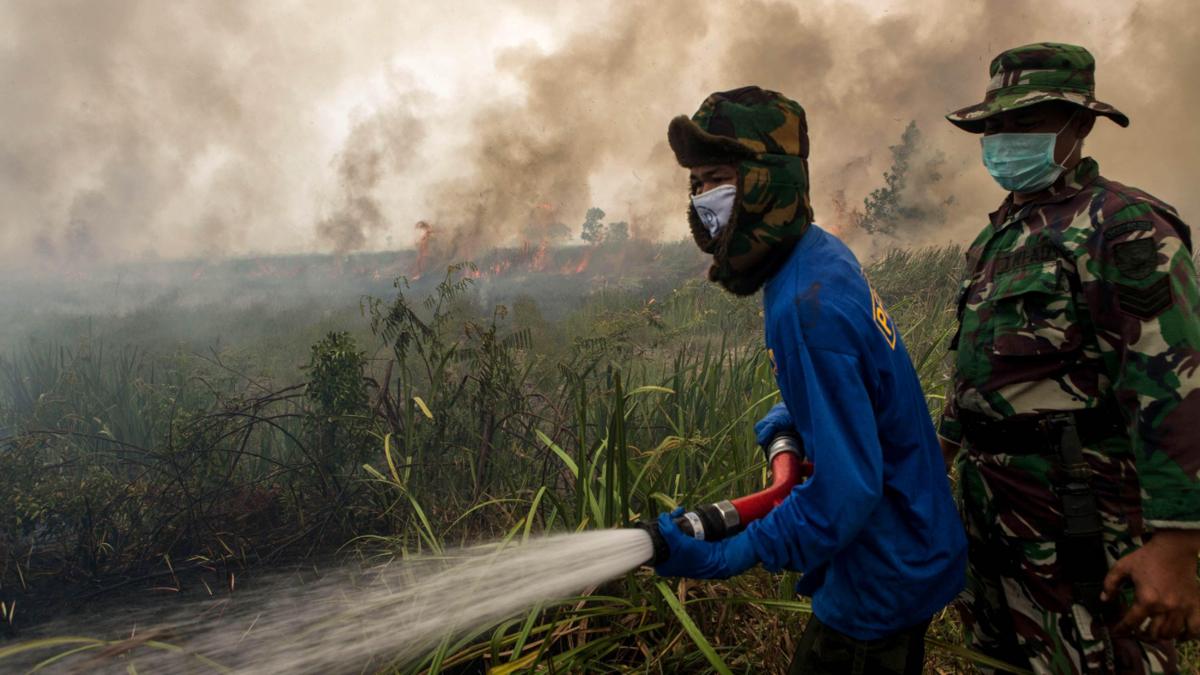
- AccuWeather forecasts a split U.S. summer with heavier rainfall in California and the Southwest but hotter, drier conditions in the Northwest, Northern Plains, and Upper Midwest, increasing regional power system stress.
- AccuWeather predicts 11 to 16 named Atlantic storms this season—below recent La Niña-influenced years—but warns that storms forming near the coast during El Niño can reduce preparation time, raising infrastructure risks.
- Edison Electric Institute is urging utilities to coordinate with government and industry partners on storm preparedness, citing El Niño’s potential to increase uncertainty in seasonal forecasts and disrupt grid reliability.
- Florida Power & Light is advancing a nearly $15.1 billion, 10-year Storm Protection Plan focused on vegetation management, stronger poles, and selective undergrounding to reduce outage risks from severe weather.
- Electric Power Research Institute highlights that microgrids and energy storage can support grid resilience but warns these technologies are not immune to extreme weather and require climate-informed planning.
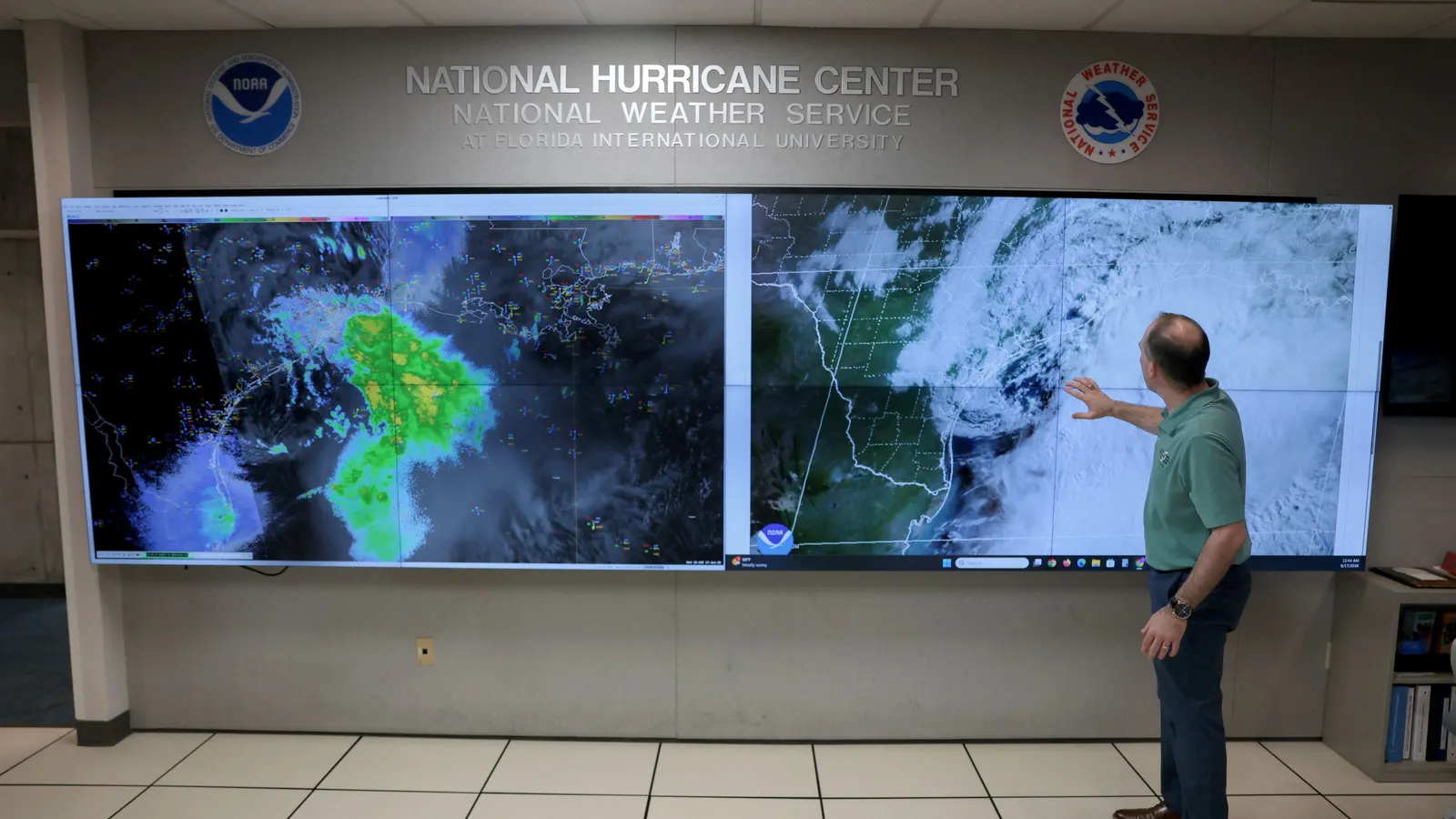
- NOAA faces proposed 26% funding cuts under the Trump administration’s fiscal year 2027 budget, raising concerns among meteorologists about diminished hurricane and hazard forecasting capacity.
Why it matters: Utilities face heightened regional risks from El Niño’s divergent weather impacts—flooding in some areas, drought and wildfire in others—while federal forecast capacity may shrink just as climate extremes grow more frequent, increasing the cost and complexity of grid resilience investments that ratepayers ultimately finance.
Ask SkimNews