Hibbert's AI brain surgery; IACC folate earmark — SkimNews
Get the Health newsletter
Daily health & science — research, biotech, public health, the studies worth knowing. Free.
- Rhys Hibbert had an 11mm pituitary tumor removed at UCLH under live AI guidance from Prof Hani Marcus's team—the world's first such procedure, with vision restored within weeks.link ›
- Pau Gorostiza's IBEC team restored light-driven behavior in blind mice with prosthe6 eye drops that work under ordinary indoor light, bypassing the need for gene therapy.link ›
- The FDA released its first formal discussion paper on generative AI medical devices, the standard precursor to draft guidance.link ›
- Dr. Asaf Tzachor's team grew spirulina with 1.64 µg of bioavailable B12 per 100g—exceeding beef—using Iceland's VAXA Technologies cultivation platform.link ›
- Open Dialogue therapy cut psychiatric hospital admissions to roughly one-third across five NHS trusts in a Lancet Psychiatry study of 500 crisis patients.link ›
- Dr. Dan Rossignol, an IACC member pushing a $15M folate earmark, holds a 1% equity stake in folinic-acid developer Eletala and runs a leading leucovorin-prescribing clinic.link ›
- Leucocorin prescriptions for autism surged 71% after Trump and Kennedy promoted the drug last September, though the FDA in March approved it only for cerebral folate deficiency.link ›
- Benjamin I. Lee, a retired cardiologist volunteering at a Maryland community clinic, found uninsured patients paying $39.33 to $700.75 for the same month's supply of generic sacubitril/valsartan.link ›
Rhys Hibbert walked out of University College London Hospital this month with his peripheral vision restored—the first patient on Earth to have a brain tumor removed under live AI guidance trained on hundreds of prior operations. Prof Hani Marcus's team used the system, developed with NIHR and Google funding, to map hidden vessels and nerves from endoscopic video in real time, sparing Hibbert's optic nerves and carotid arteries during removal of an 11mm pituitary tumor. The same week, the FDA dropped its first public discussion paper on generative AI medical devices, sketching where federal regulation is headed. In a separate, sharper-edged Washington story, the IACC adopted a 336-page autism plan with federal agency reps abstaining, including a $15M folate earmark pushed by Dr. Dan Rossignol, who holds a 1% equity stake in folinic-acid maker Eletala.
The stories behind this week
First Live AI-Assisted Brain Surgery Removes TumorThis surgery marks a material shift in neurosurgical precision—surgeons now have access to real-time AI guidance trained on more operations than any human could perform, reducing risks in delicate procedures. With a 25–50% chance of incomplete tumour removal and up to 2% risk of vessel injury in such cases, the AI’s ability to map hidden anatomy directly impacts patient safety and recovery outcomes.
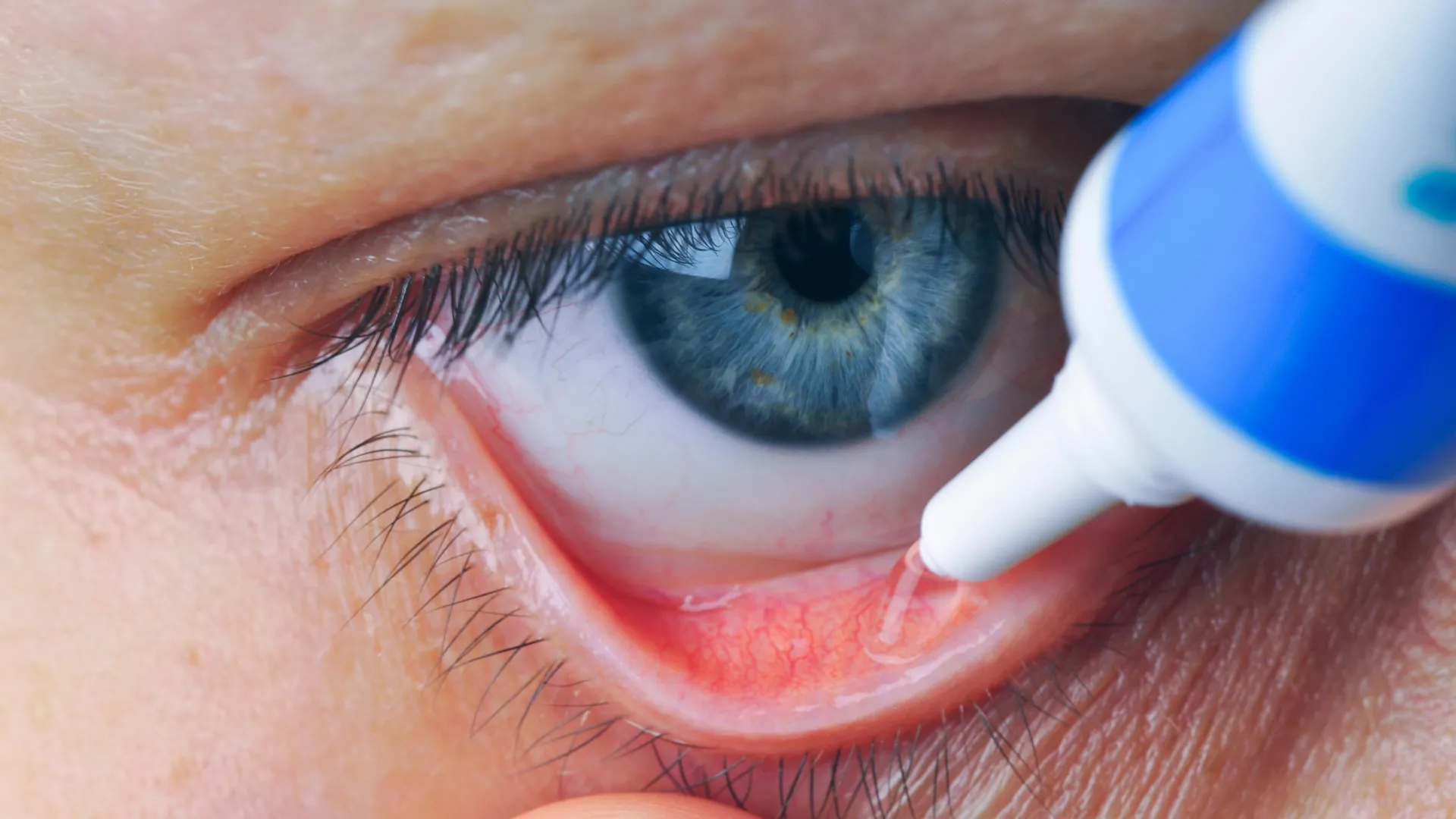
Light-Activated Eye Drops Restore Vision in Blind MiceAMD and retinitis pigmentosa together affect roughly 200 million people worldwide, most of whom cannot benefit from existing gene therapy because their mutations don't match approved treatments. A mutation-independent, drop-form therapy that works in ambient light could reach a far broader patient population than current options — though human trials remain years away and the compounds still require safety validation. The researchers themselves stress the approach does not reverse photoreceptor degeneration, only substitutes for lost function.

FDA Preps New Guidance on Generative AI DevicesAn FDA discussion paper is the standard precursor to draft guidance, meaning medical-device makers and health systems deploying generative AI tools now have a concrete signal of where regulators are headed—a stake in the ground that didn't exist a week ago.
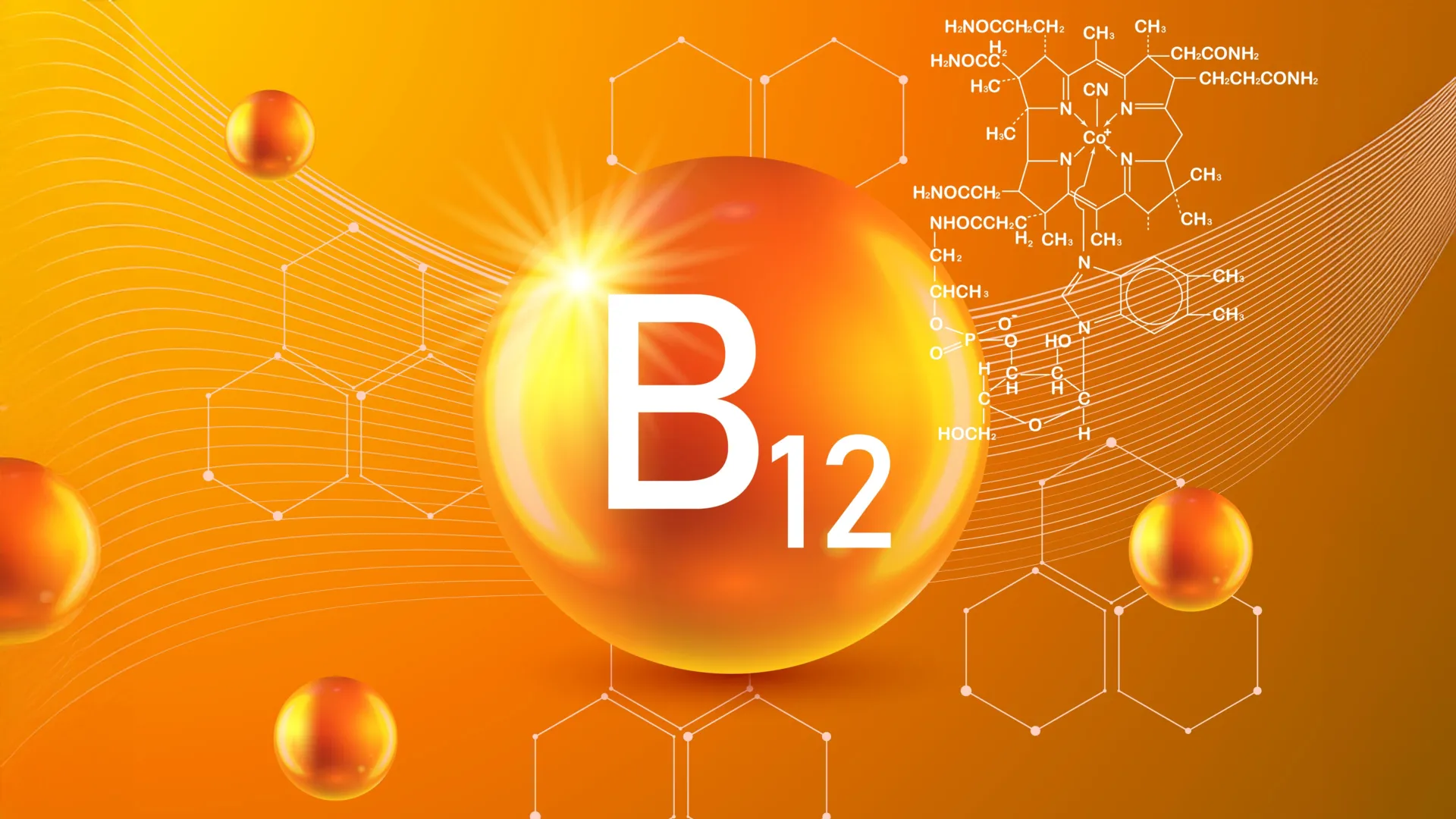
Researchers unveil sustainable spirulina solution to vitamin B12 deficiencyMore than a billion people worldwide have low B12 levels, and the dominant dietary sources — meat and dairy — carry environmental costs this team explicitly aims to bypass. If laboratory-scale photonic spirulina can be grown industrially, it would offer a carbon-neutral B12 supply capable of displacing some livestock production without sacrificing the nutrient density of beef.
Open Dialogue therapy cuts psychiatric admissions by two-thirdsIf the findings hold under further scrutiny, NHS psychiatric services could redirect spending from costly inpatient beds toward community-based network sessions — but Dr Jauhar's resource-intensity critique means the model may need to prove itself against well-staffed conventional care before being scaled beyond pilot trusts like North East London.

Retired Doctor Learns What Private Practice MissedWith 26.7 million uninsured Americans and rising layoffs and Medicaid work requirements, access barriers are tightening — and the NIH's January 2025 campus citizenship rule has quietly eliminated a free advanced-imaging pathway that uninsured clinical-trial volunteers once relied on, making community clinics (which generate roughly $13 in system savings per $1 invested) an increasingly critical, underused safety net.

Roman Telescope Launches After Surviving Trump Budget CutsRoman's survival against two consecutive White House budget proposals sets up a direct fiscal collision with the Trump administration for fiscal 2027, where a proposed 46% science cut and the Planetary Society's warning of 50+ mission terminations put newly launched infrastructure immediately back at risk. The launch also retires Falcon Heavy, ending an era of heavy-lift capacity before Starship is operational.

RFK Jr's IACC adopts autism plan critics call 'fringe science'The plan's adoption despite abstentions from multiple federal agency representatives signals internal disagreement within the government itself, while autistic self-advocates say its farmstead housing language directly invites a return to institutional confinement that disability rights groups spent decades dismantling. The $15m folate earmark, championed by an IACC member with financial ties to a leucovorin company, makes the conflict-of-interest dimension especially concrete.
Why it matters: If live AI guidance in the OR becomes routine, the FDA's discussion paper is the first move toward codifying who carries liability when the algorithm gets it wrong—and hospital counsel hasn't started asking that question yet.
Ask SkimNews