Battery storage matures; El Niño hits food markets — SkimNews

Get the Energy newsletter
Daily energy & climate — solar, EVs, oil, the policy fights and tech bets shaping the transition. Free.
- EPRI found global BESS failure rates dropped 98% from 2018 to 2025, now posting 0.04%–0.14% annually — comparable to the 0.1% rate for oil-filled transformers.link ›
- Moss Landing's 300-MW indoor facility lost most of its battery array in a January 2025 thermal runaway with zero reported injuries, while the US has recorded no BESS deaths since the April 2019 Arizona Public Service explosion seriously injured four firefighters.link ›
- Pre-2021 BESS installations make up just 3% of global capacity but tend to fail at higher rates; EPRI's Lakshmi Srinivasan recommended explosion-mitigation retrofits ranging from gas detectors to structural ventilation upgrades.link ›
- Arabica coffee prices have surged 30% as the world's top four producers — Brazil, Vietnam, Colombia, and Indonesia — face simultaneous drought, with UK government reports warning chocolate prices may rise on Indonesian wildfires.link ›
- India's rice harvest is forecast to fall 7% (10 million tonnes) after El Niño cut summer monsoon rainfall 13%; University of Reading's Akshay Deoras expects India to restrict exports as it did during 2023-24, when global prices climbed 30–40%.link ›
- Laines Organic Farm in West Sussex is dealing with 'climate whiplash' — drought-deformed carrots this summer and fear that El Niño-driven floods will rot garlic and broad bean seedlings planted in coming weeks.link ›
- At Australian auction house Pickles, repairable written-off EVs commanded a 71% price premium over comparable petrol models, and tested batteries retained 93% capacity at five years.link ›
Grid-scale battery storage just became boring — in the best way. EPRI's new database analysis shows global BESS failure rates dropped 98% from 2018 to 2025, landing at 0.04%–0.14% annually, roughly the same as oil-filled transformers. The catch: the 3% of capacity installed before 2021 still drives most incidents, with Lakshmi Srinivasan recommending explosion-mitigation retrofits that could void manufacturer warranties. A super El Niño is compounding the pressure across commodity and energy markets — Arabica coffee up 30% on Brazilian and Vietnamese drought, India's rice harvest forecast to fall 7%, and the UK bracing for another winter wheat hit after 2023-24 cost farmers £1 billion. Farmers from West Sussex to Zimbabwe are watching yields with dread.
The stories behind this week

A super el Niño threatens our food system. Here’s how farms can prepare | Liz CarlisleThe farm bill is being negotiated as the super El Niño gains steam, giving Congress a narrow window to fund cover-crop and perennial programs. Farmers who adopt soil-health practices see 16% more water availability in drought (per Basche and DeLonge), but current insurance structures make non-commodity crops financially risky—creating a policy gap right when resilience matters most.

Sod’s law: what can two turf swaps 40 years apart tell us about Britain’s biodiversity crisis?By matching identical turf across an urban park and a Welsh grassland, the swaps turn a hard-to-measure ecological shift into a directly comparable data point — challenging the assumption that Britain's biodiversity crisis is solely a countryside problem and suggesting urban green spaces may now warrant greater conservation attention.

How El Niño could spark a worldwide food crisisUnlike a regional drought, El Niño hits rice, wheat, coffee, and produce simultaneously across exporters, and the UK and US hold no grain reserves — so a 7% Indian rice shortfall plus a £1 billion UK cereal hit cascades directly into grocery prices, while East African maize failures now meet a 23% drop in 2025 foreign aid.
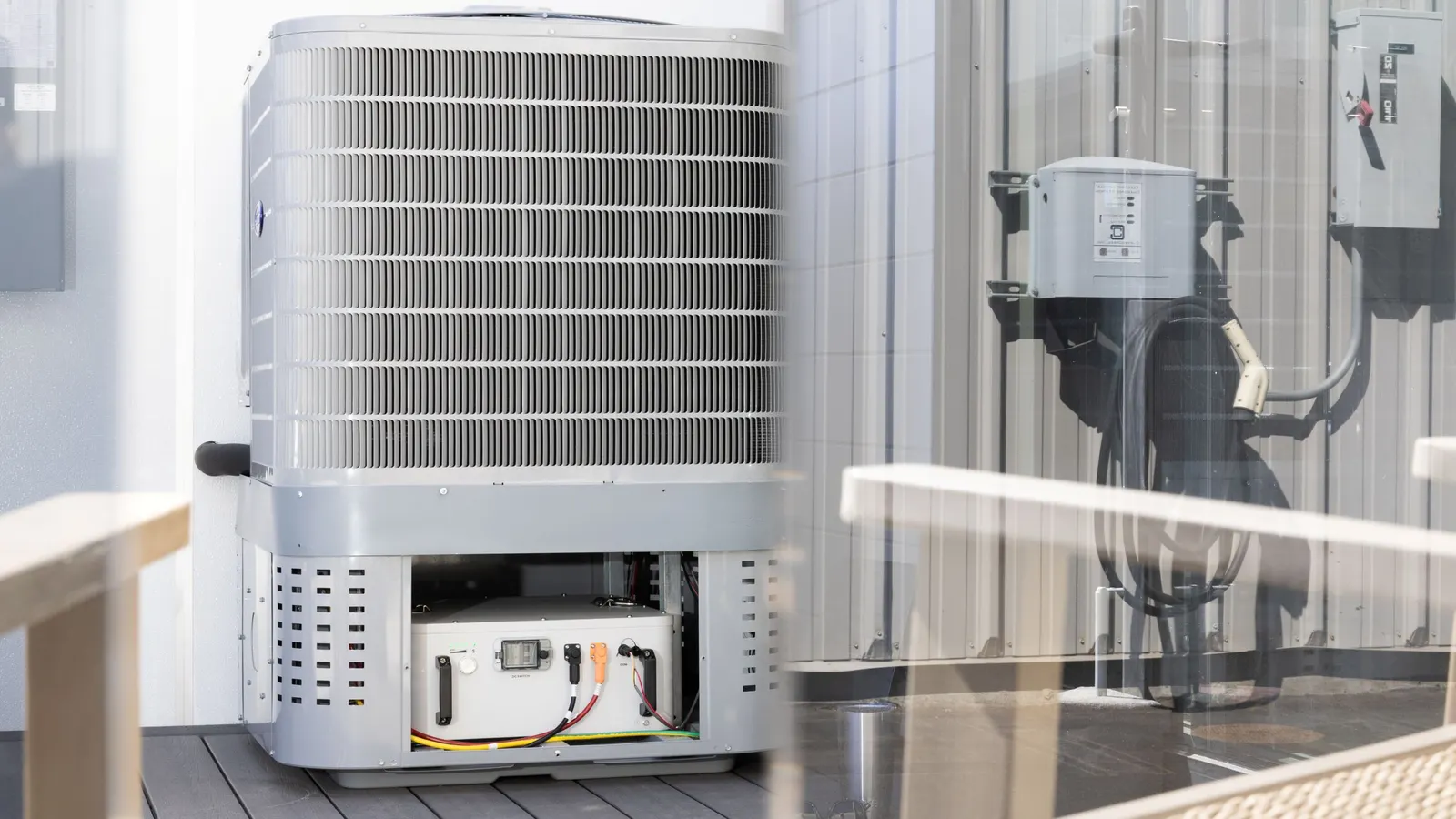
Battery system failures fell 98% in 7 years, but older systems need special care: reportThe pre-2021 cohort — just 3% of global capacity — accounts for the highest-risk assets in a rapidly expanding fleet, forcing owners to choose between explosion-mitigation upgrades (potentially that void manufacturer warranties) and premature decommissioning. Even a catastrophic loss like the 300-MW Moss Landing fire produced no casualties, but the 2019 Arizona blast showed older indoor systems remain a real personnel hazard until retrofitted.

Used EVs Outsell Petrol at Australian AuctionsThe 71% premium for repairable written-off EVs and 93% battery retention after five years overturn the long-standing depreciation fear that made early EV adopters reluctant, shifting the secondhand car math so that petrol vehicles may now carry the bigger valuation risk. With Turo hosts, commuter buyers in suburbs like Tarneit, and auction bidders all converging on used EVs, the cost-of-living calculus — not climate concern — is now driving mass-market Australian EV adoption.

Singapore Threatens Prosecution Over Indonesia Haze FiresSingapore's threat of criminal prosecution against named companies marks a legal escalation in a recurring regional dispute, putting Indonesia-linked corporate actors on notice while millions of people across Southeast Asia absorb the public-health costs of school closures and surging respiratory illness.

Tesla reveals next-generation Roadster after almost a decade of delaysTesla's Roadster is explicitly unlikely to have material financial impact on the company — the source calls it a high-end, low-volume halo product with production now pushed to 2028. The $50,000 deposits from customers who have waited up to nine years remain symbolic rather than revenue-driving, and the hover-capable demo offers no pricing or near-term timeline clarity for investors watching ahead of Tesla's Q3 results.

Climate therapist shares nature-reciprocity practicesThe column reframes climate-anxiety treatment from cognitive coping to embodied, sensory practices grounded in reciprocity with living systems. For climate workers and volunteers already at risk of burnout from what Leslie describes as caring for nature but being "separate from the natural world," she positions direct nature contact as a practical prerequisite for sustained advocacy rather than a bonus.
Why it matters: Pre-2021 battery assets — barely 3% of global capacity — now dictate the safety reputation of an industry that just got cheap and reliable enough to undergird the renewable buildout, and Srinivasan's retrofit-or-decommission choice is the new operating question for every fleet owner with old hardware on the books.
Ask SkimNews