AI vs. the grid: California legislates, Georgia doubles — SkimNews

Get the Energy newsletter
Daily energy & climate — solar, EVs, oil, the policy fights and tech bets shaping the transition. Free.
- California became the first state to legislate specifically against AI data centers cost-shifting onto ratepayers after Gov. Gavin Newsom signed seven bills requiring a new CPUC rate classification.link ›
- Georgia Power is planning new gas turbines for data-center load at up to 85% capacity — doubling projected emissions from 4 million to 8.5 million tons of CO2 per year if the Trump EPA repeal proceeds.link ›
- Georgia Power ran six of nine 2025 resource-planning scenarios as if the EPA rule were already repealed, citing 'regulatory uncertainty' while the rule was technically still on the books.link ›
- Climate Impact Lab projects 451,000 additional heat deaths globally from June 2026 through February 2027 from the super El Niño, with the US facing roughly 3,500.link ›
- New AutoMotive analyzed 47.4 million UK MOT tests and found EVs 25% less likely to fail than petrol cars in the 90,000–120,000 mile bracket (16.5% vs 22.1%).link ›
- Spain's 80,000-hectare Gredos wildfire became the largest in the country's history; roughly 300,000 hectares have burned nationally this year — about half the area scorched across the entire EU.link ›
- Bolivia is sliding toward gas-import dependence by around 2030, with elites holding an estimated $10bn offshore while 84% of the workforce is informal.link ›
California became the first state to legislate specifically against AI data centers passing utility costs onto residents after Gov. Gavin Newsom signed seven bills requiring a new CPUC rate classification that decides whether hyperscalers or households pay. In Georgia, Southern Alliance for Clean Energy's Maggie Shober warns that emissions from Georgia Power's new gas turbines — built specifically for data-center load — would jump from roughly 4 million to 8.5 million tons of CO2 per year if the Trump EPA's repeal of the greenhouse-gas rule goes through. The new fleet is being planned for 85% operation instead of the 40% cap the Biden rule imposed. AI compute isn't a chip story anymore — it's an energy-policy story, and the bills are coming due.
The stories behind this week

Huge El Niño projected to cause more than 450,000 deaths by FebruaryThe 451,000-death projection from the Climate Impact Lab is actionable: researchers mapped risk to 24,378 regions specifically so governments can deploy cooling centres, boost medical staffing, and protect outdoor workers in Nigeria, Indonesia, Sudan, India and Brazil before peak heat hits. The framing as a "postcard from our future" forces an uncomfortable conclusion — these deaths are a preview of the routine climate baseline two decades ahead, not a one-off catastrophe.

High-Mileage EVs 25% More Reliable Than Petrol: StudyMany ex-fleet and ex-leasing EVs with six-figure mileages are now flooding the UK used market, and this 47.4-million-test dataset gives buyers concrete numbers — a 25% lower MOT failure rate at 90,000–120,000 miles — to challenge the reflex that high mileage means worn out, potentially reshaping residual values and the affordability of used EV ownership.

California tightens rules on AI data center energy and water useCalifornia is the first state to legislate specifically against cost-shifting by AI data centers, and the new CPUC rate classification will determine whether hyperscalers — not residential ratepayers — absorb the massive energy and water demands of AI infrastructure.
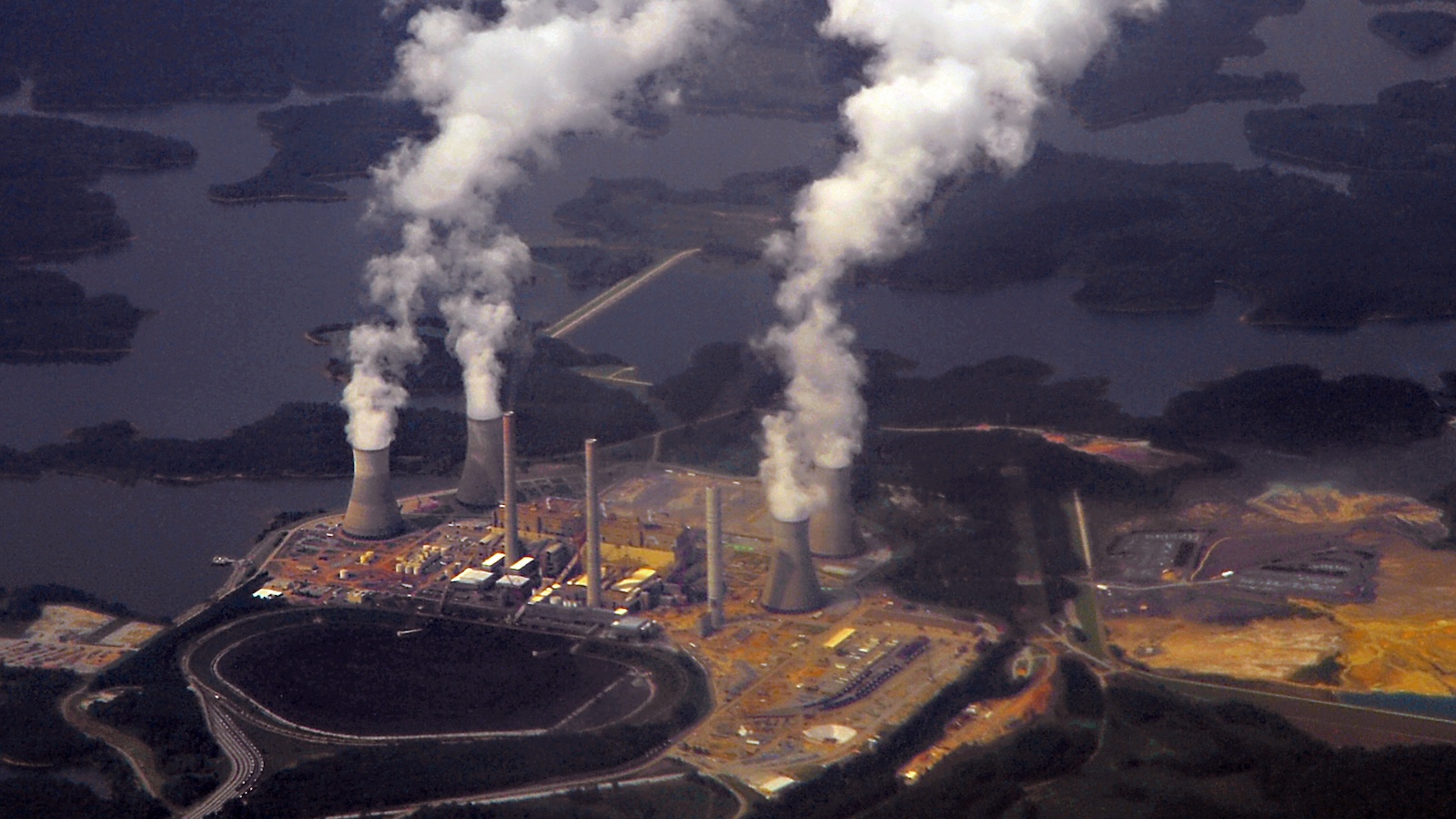
EPA Rule Repeal Would Double New Georgia Gas EmissionsGeorgia ratepayers and downwind communities will absorb the health costs: Shober estimates new gas turbines could jump from 4 million to 8.5 million tons of CO2 per year if the repeal goes through — more than doubling emissions from a fleet being built specifically to feed data-center load. The case also exposes how Georgia Power treated the rule as effectively dead while it was still on the books, running six of nine planning scenarios that assumed its repeal.

Country diary: The biggest burst of partridges I’ve seen on the farm. We must be doing something right | Colin ChappellThe 26-bird covey is a rare indicator of ecological recovery in farmland, where grey partridge numbers have long declined. By replacing chemical inputs with biologically integrated systems, the farm reduces pest and disease risk while supporting biodiversity—directly benefiting bird populations and potentially lowering input costs over time.

Rewilded Larkrise Acres Hold Water, Welcome Wildlife BackThe Larkrise project shows that deliberate rewilding on a modest 10-acre site—pond excavation, native-plant transplanting, and sapling protection—can deliver measurable biodiversity (fox, roe deer, barn owl, voles, weasels) within seven years and even through drought, while the adjoining bullock-grazed enclosure illustrates how quickly land-management choices translate into divergent ecological outcomes.

Spain's Record Wildfires, Heat, and Floods Hit Tourism and FarmsSpain's tourism (13% of GDP) and agri-food industry (9% of GDP) together face simultaneous shocks — heatwaves deterring visitors, wildfires destroying crops, and floods wiping out businesses — while government compensation covers less than half of farmers' losses, meaning private insurers and regional economies absorb the rest.

‘You can’t just bet everything on exports’: as its gas runs out, is Bolivia doomed to repeat history?Bolivia's trajectory illustrates how hydrocarbon-rich nations can squander windfalls: $10bn in elite offshore holdings alongside 84% informal labour shows extraction profits left no domestic industrial base, and the roughly 2030 net-importer deadline forces a binary choice between another raw-commodity cycle (gold, soy, Brazil nuts) and structural transformation that entrenched mining and agroindustrial lobbies actively resist.
Why it matters: If Georgia Power's data-center gas fleet doubles its emissions to 8.5 million tons of CO2 per year under the EPA repeal, downwind communities eat the cost — and every other state utility racing to feed hyperscaler load gets a free option to follow.
Ask SkimNews